A trend do gato lutador de IA
Esse gato acabou com a minha carreira de lutador. Veja como fazer com o seu gato.
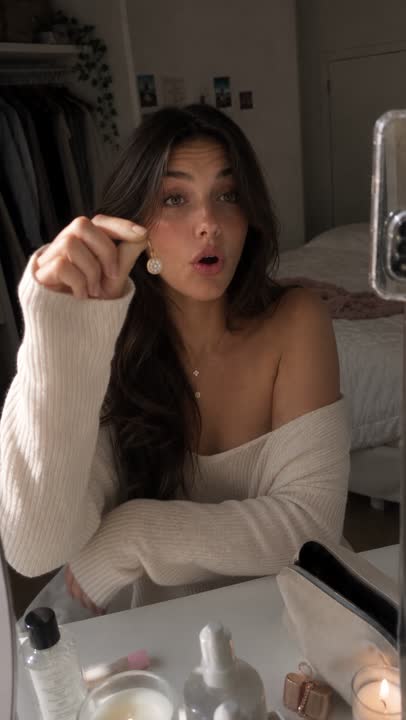
Use a sua foto, a foto do seu gato e o clipe original para recriar a trend com movimento e câmera mais fiéis.
Você vai precisar de: uma foto nítida sua, uma foto nítida do seu gato e o vídeo de referência original.
Passo 1: Prepare suas referências
- Escolha uma foto nítida sua, com o rosto totalmente visível.
- Escolha uma foto nítida do seu gato, com o rosto e o corpo bem visíveis.
- Salve o vídeo original da trend. Você vai enviá-lo como referência de movimento no Higgsfield.
Passo 2: Gere a imagem do seu lutador
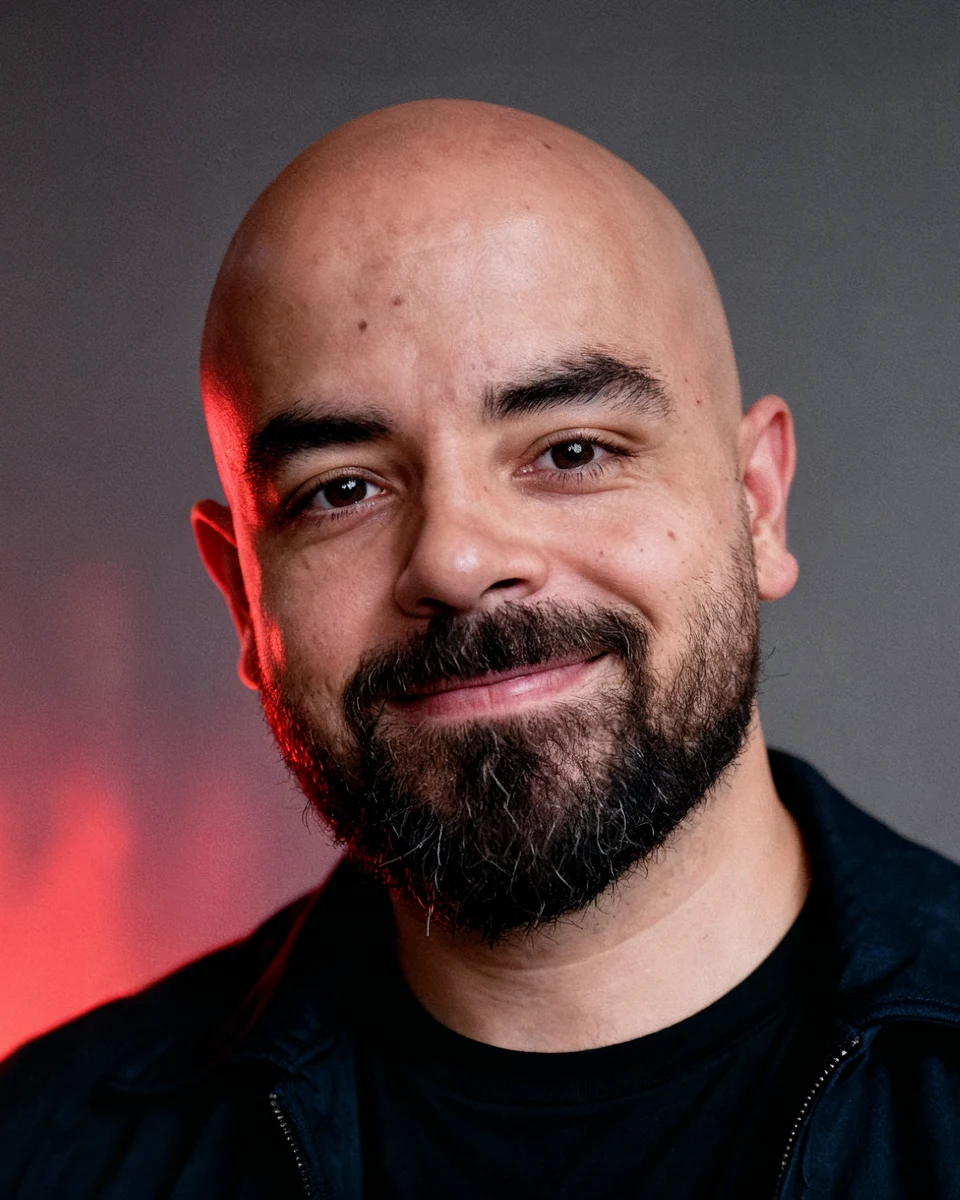
Abra o ChatGPT, envie a sua foto e cole o prompt abaixo. Gere uma imagem de corpo inteiro antes de passar para a etapa do vídeo.
Prompt de imagem
Make a full-body image of this person on a white studio background. Make him look like a UFC fighter with the proper physique and gear. Do not add any branding, including UFC branding or other known trademarks.
Passo 3: Crie o vídeo no Higgsfield
Abra o Higgsfield e escolha um modelo de vídeo que aceite imagens de referência e um vídeo de referência. Envie os arquivos nesta ordem:
1. Video 1: o clipe original da trend
2. Image 1: a foto do seu gato
3. Image 2: a imagem do lutador que você gerou
Importante: se o Higgsfield atribuir números de referência diferentes, atualize os rótulos @Video e @Image dentro do prompt para combinarem com os seus uploads.
Passo 4: Cole o prompt de transferência de movimento
Cole o prompt completo abaixo, confira os rótulos de referência e clique em Generate.
Prompt de vídeo
Transfer the motion, choreography, camera work, timing, framing, and overall visual progression from the uploaded reference video @Video 1 onto the new fighter @Image 2 and cat @Image 1 reference images. Recreate the video as closely as possible to the reference, while replacing only the original fighter with the provided bald, bearded muscular fighter and the original cat with the provided gray tabby cat.

Preserve the exact sequence of actions and camera behavior from the reference: begin with the same distant view through the cage, then transition into the same close ground-level framing and follow the same progression of shots, maintaining the same camera height, perspective, lens feel, camera movement, push-ins, reframing, and timing.

The new fighter must perform the same body movements as the fighter in the reference, matching his exact body positioning, arm movements, leg positioning, rolling and ground movements, reactions, and changes in posture frame by frame. Keep the new fighter's bald head, beard, facial structure, muscular physique, black MMA gloves, and black fight shorts consistent throughout.

The cat must perform the same movements as the cat in the reference, including its position on the fighter, weight shifts, paw movements, body rocking, head movement, posture changes, and final positioning. Preserve the natural feline motion and make the cat remain physically grounded on and interacting with the fighter throughout.

Match the reference's ground contact and physical interaction extremely closely. Preserve the way the fighter's body presses into and moves against the floor, the cat's weight on his torso, the compression and movement of the bodies, and the subtle secondary movements caused by their interaction.

Maintain the reference's arena environment, cage background, audience, lighting, floor, shallow depth of field, realistic handheld camera feel, motion blur, focus changes, and cinematic realism. Do not redesign the environment or introduce new shots.

Reproduce the reference's redness, flushed skin, sweat, skin tone changes, small impact and reaction details, and realistic physical appearance on the new fighter. His skin should become naturally flushed or red in the same areas and at the same points in the sequence as the original fighter, without looking painted or exaggerated.

The final result should feel like the same original video with the characters swapped, not a new interpretation. Do not alter the choreography, shot order, camera movement, pacing, framing, or timing. Do not add branding, logos, text, watermarks, or recognizable trademarks. Prioritize temporal consistency, accurate motion transfer, realistic anatomy, realistic cat behavior, and precise correspondence to the reference video.
Dicas para um resultado melhor
- Use o clipe original como referência de vídeo. Esse é o passo-chave para acertar a coreografia, o enquadramento e o timing.
- Use imagens nítidas e em alta resolução, com rostos e corpos sem nada na frente.
- Mantenha as referências iguais durante todo o prompt.
- Se a primeira geração sair diferente, tente de novo com as mesmas referências antes de mudar o prompt.
- Evite logos de marcas, marcas registradas visíveis, textos e marcas d'água na cena gerada.