Der AI-Katzen-Kämpfer-Trend
Diese Katze hat gerade meine Kampfkarriere beendet. So machst du es mit deiner Katze.
Nutze dein Foto, das Foto deiner Katze und den Originalclip, um den Trend mit genauerer Bewegung und Kameraführung nachzubauen.
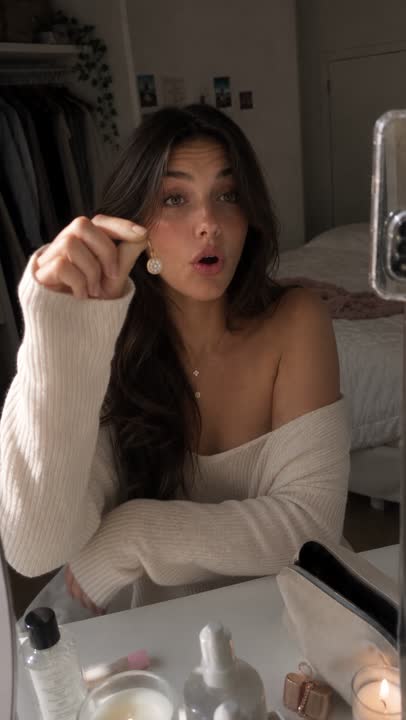
Du brauchst: ein klares Foto von dir, ein klares Foto von deiner Katze und das Original-Referenzvideo.
Schritt 1: Referenzen vorbereiten
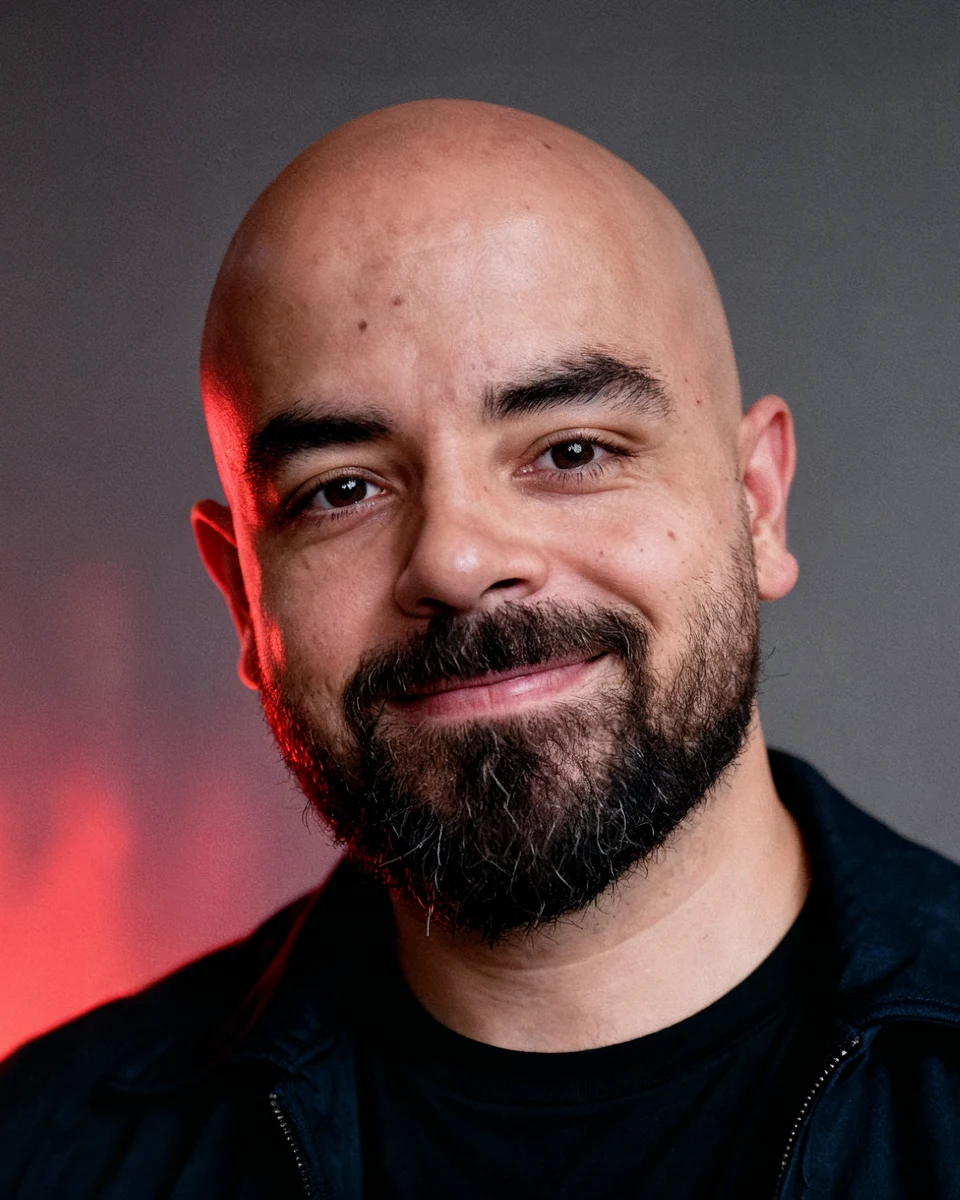
- Wähl ein klares Foto von dir, auf dem dein Gesicht komplett zu sehen ist.
- Wähl ein klares Foto von deiner Katze, auf dem Gesicht und Körper gut zu erkennen sind.
- Speicher das Original-Trendvideo. Du lädst es in Higgsfield als Bewegungsreferenz hoch.
Schritt 2: Generiere dein Kämpferbild
Öffne ChatGPT, lade dein Foto hoch und füge den Prompt unten ein. Generiere ein Ganzkörperbild, bevor du zum Videoschritt gehst.
Bild-Prompt
Make a full-body image of this person on a white studio background. Make him look like a UFC fighter with the proper physique and gear. Do not add any branding, including UFC branding or other known trademarks.
Schritt 3: Erstelle das Video in Higgsfield
Öffne Higgsfield und wähl ein Videomodell, das Bildreferenzen und ein Referenzvideo akzeptiert. Lade die Dateien in dieser Reihenfolge hoch:
1. Video 1: der Original-Trendclip
2. Image 1: dein Katzenfoto
3. Image 2: dein generiertes Kämpferbild
Wichtig: Wenn Higgsfield andere Referenznummern vergibt, passe die Labels @Video und @Image im Prompt an, damit sie zu deinen Uploads passen.
Schritt 4: Füge den Motion-Transfer-Prompt ein
Füge unten den kompletten Prompt ein, prüf die Referenz-Labels und klick auf Generate.
Video-Prompt
Transfer the motion, choreography, camera work, timing, framing, and overall visual progression from the uploaded reference video @Video 1 onto the new fighter @Image 2 and cat @Image 1 reference images. Recreate the video as closely as possible to the reference, while replacing only the original fighter with the provided bald, bearded muscular fighter and the original cat with the provided gray tabby cat.

Preserve the exact sequence of actions and camera behavior from the reference: begin with the same distant view through the cage, then transition into the same close ground-level framing and follow the same progression of shots, maintaining the same camera height, perspective, lens feel, camera movement, push-ins, reframing, and timing.

The new fighter must perform the same body movements as the fighter in the reference, matching his exact body positioning, arm movements, leg positioning, rolling and ground movements, reactions, and changes in posture frame by frame. Keep the new fighter's bald head, beard, facial structure, muscular physique, black MMA gloves, and black fight shorts consistent throughout.

The cat must perform the same movements as the cat in the reference, including its position on the fighter, weight shifts, paw movements, body rocking, head movement, posture changes, and final positioning. Preserve the natural feline motion and make the cat remain physically grounded on and interacting with the fighter throughout.

Match the reference's ground contact and physical interaction extremely closely. Preserve the way the fighter's body presses into and moves against the floor, the cat's weight on his torso, the compression and movement of the bodies, and the subtle secondary movements caused by their interaction.

Maintain the reference's arena environment, cage background, audience, lighting, floor, shallow depth of field, realistic handheld camera feel, motion blur, focus changes, and cinematic realism. Do not redesign the environment or introduce new shots.

Reproduce the reference's redness, flushed skin, sweat, skin tone changes, small impact and reaction details, and realistic physical appearance on the new fighter. His skin should become naturally flushed or red in the same areas and at the same points in the sequence as the original fighter, without looking painted or exaggerated.

The final result should feel like the same original video with the characters swapped, not a new interpretation. Do not alter the choreography, shot order, camera movement, pacing, framing, or timing. Do not add branding, logos, text, watermarks, or recognizable trademarks. Prioritize temporal consistency, accurate motion transfer, realistic anatomy, realistic cat behavior, and precise correspondence to the reference video.
Tipps für ein besseres Ergebnis
- Nutze den Originalclip als Videoreferenz. Das ist der wichtigste Schritt, damit Choreografie, Bildausschnitt und Timing passen.
- Nutze klare Bilder in hoher Auflösung, auf denen Gesichter und Körper nicht verdeckt sind.
- Halte die Referenzzuordnungen im ganzen Prompt konsistent.
- Wenn die erste Generierung abdriftet, versuch es noch mal mit denselben Referenzen, bevor du den Prompt änderst.
- Vermeide Markenlogos, sichtbare Marken, Text und Wasserzeichen in der generierten Szene.