One more photo
A 30-second scene generated with Seedance 2.5.
Tools in this guide: Higgsfield
Seedance 2.5 cinematic prompt + Higgsfield offer
HIGGSFIELD OFFER: 33 DAYS OF UNLIMITED SEEDANCE 2.5. Preorder on Higgsfield to unlock the offer.
How to use this prompt
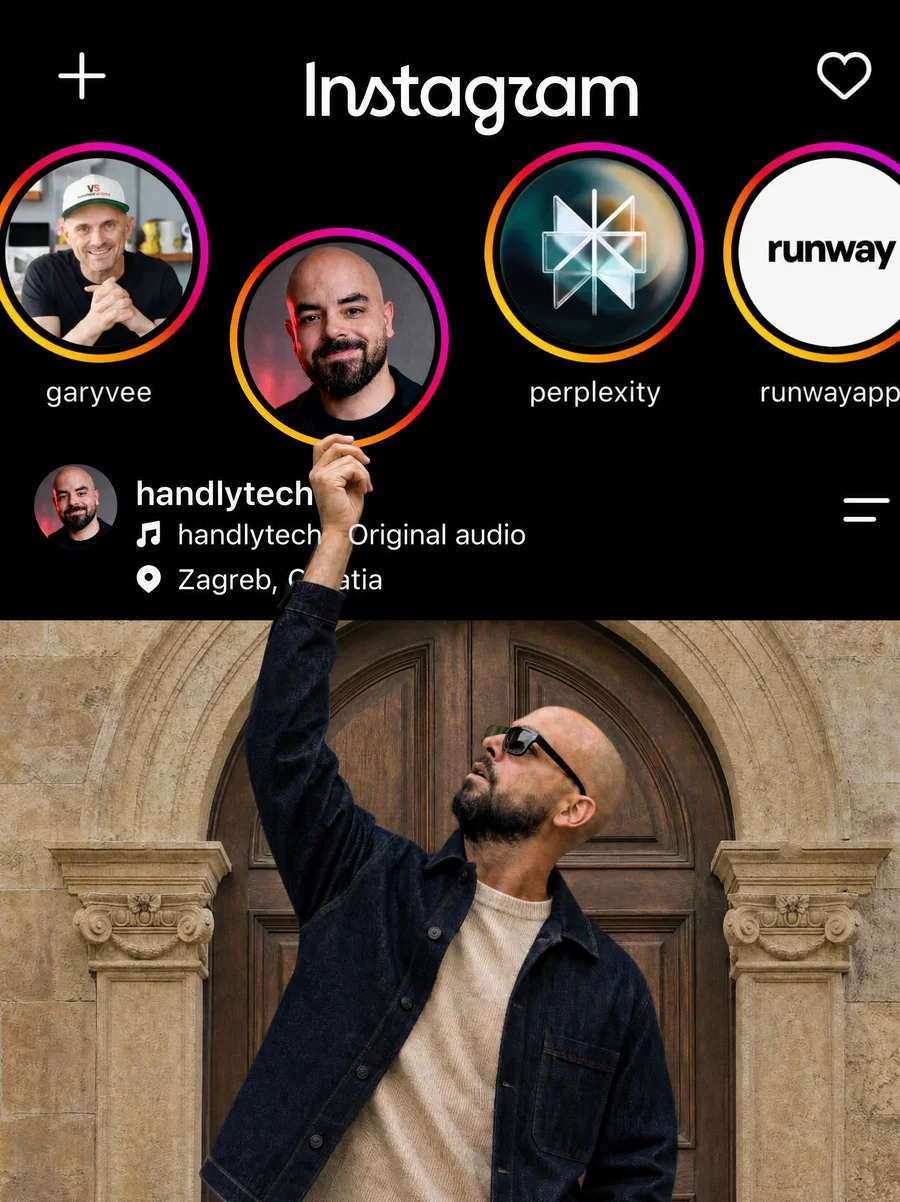
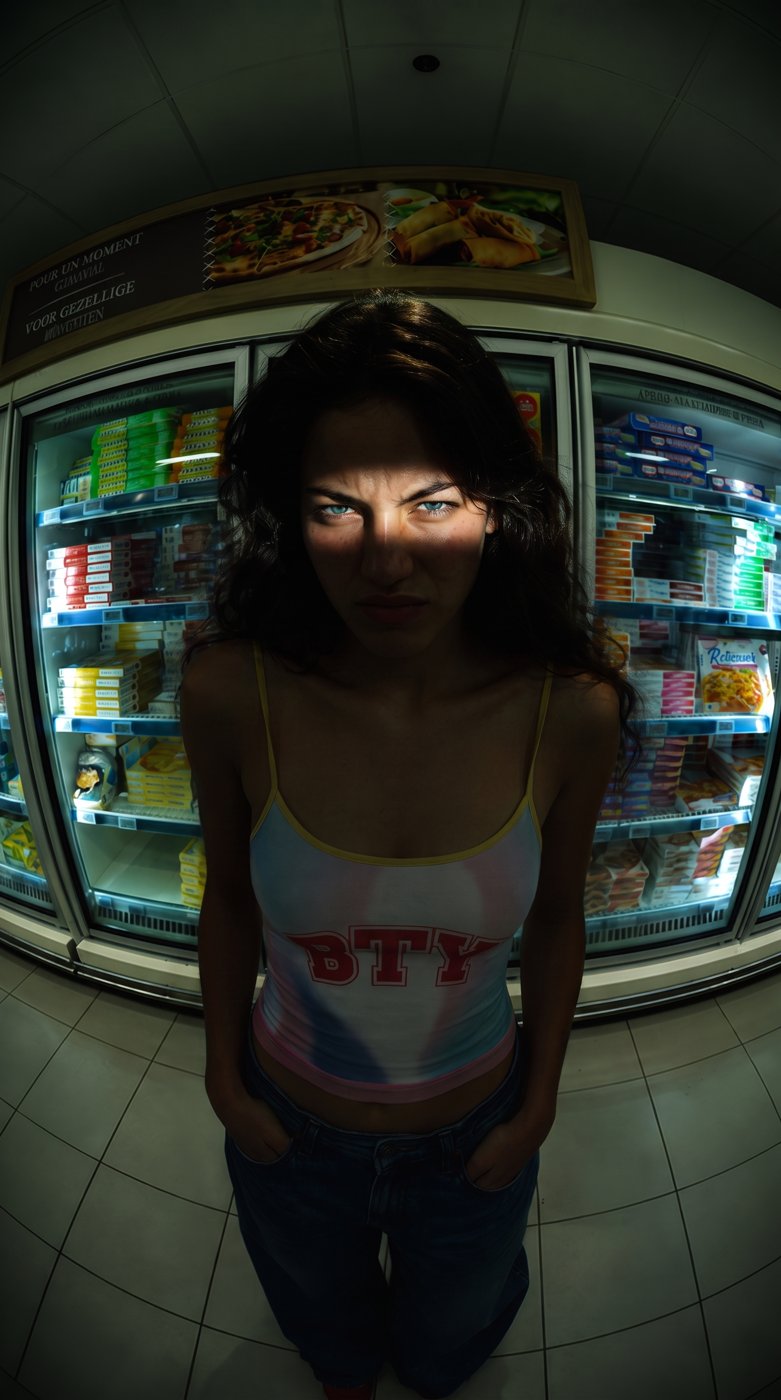
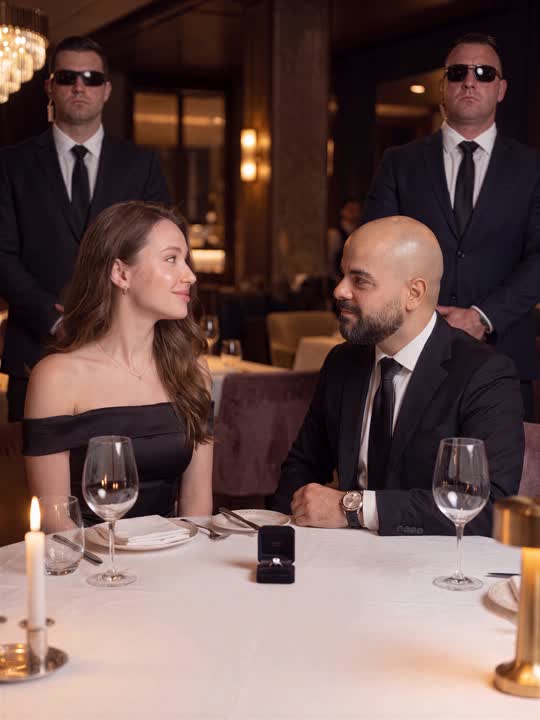
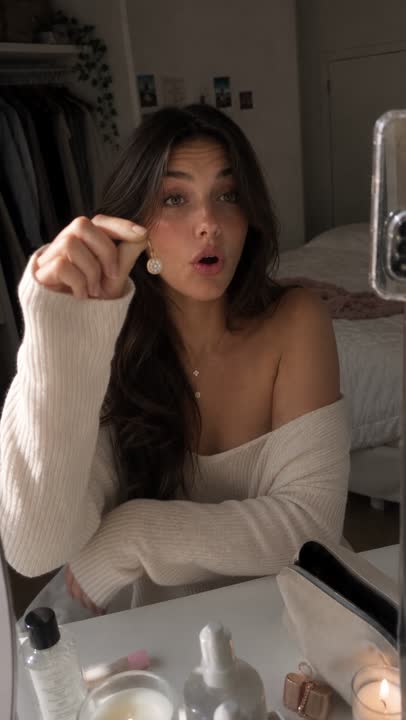
1. Upload your three references. Image 3 = starting frame • Image 1 = Character A • Image 2 = Character B
2. Choose Seedance 2.5. Use a 30-second generation and paste the full prompt below.
3. Keep the references mapped correctly. The prompt relies on the same identity and starting-frame assignments throughout.
Full Seedance 2.5 Prompt
Copy everything below exactly, then keep your three reference images mapped as shown above.
(Note: some bullet lists in the source doc are laid out in two columns, so a few list items run together on one line below. The text is unchanged from the doc.)
Animate the attached image into one continuous 30-second photorealistic cinematic video. Use @Image 3 as the exact starting frame and main scene reference. Use @Image 1 as the exact identity reference for Character A, the man taking the photos. Use @Image 2 as the exact identity reference for Character B, the woman being photographed. Preserve the exact faces, hairstyles, clothing, body proportions, environment, sunset lighting, and overall visual atmosphere throughout the entire video. There must be exactly ONE Character A and ONE Character B for the entire video. Character B should remain mainly on the LEFT side of the scene. Character A, the cameras, and all later crew/equipment should operate and enter mainly from the RIGHT side. The comedy comes from Character B casually asking for another photo while Character A’s setup becomes increasingly ridiculous.

▌ CAMERA RULE

Do not use repeated zoom-in or zoom-out movements. After each “Again,” smoothly change the composition to a medium close-up of Character B, then later return to a wider composition to reveal the upgraded setup. This should feel like a professional cinematic camera reposition or angle change, not a digital zoom, not a rapid push-in/pull-out, and not a frantic cut. The entire sequence must feel like one continuous real event unfolding naturally in the same location.

▌ DIALOGUE AND ACTIONS

Character B looks toward Character A and asks:

B: “Can you take a photo of me?”

Character A casually replies:

A: “Yeah, sure.”

Character B moves naturally into a flattering casual pose on the LEFT. Her movement should feel spontaneous and human rather than choreographed. She may subtly shift her weight, turn her shoulders slightly, adjust one hand, glance toward Character A, lightly move her hair, and then settle naturally into the pose. Character A takes her photo using a normal smartphone. Character B relaxes slightly after the photo instead of remaining frozen. She naturally walks toward Character A. They briefly look at the result together. Character B studies the photo for a moment and casually says:

B: “Again.”

▌ CRITICAL TRANSITION RULE

Immediately after every “Again,” smoothly change the camera composition to a medium close-up of Character B on the LEFT. While Character B is shown in the medium close-up, Character A lowers his current equipment and moves completely out of frame or becomes fully hidden on the RIGHT. The current camera or equipment leaves with Character A. Character A must be completely hidden before the upgraded setup is introduced. There must never be two versions of Character A visible at the same time. Never morph Character A or his equipment while he is clearly visible. While Character A is off-screen, Character B continues moving naturally. She must not freeze and wait for the next setup. She may naturally turn back toward the photo area, adjust her hair, shift her stance, relax her shoulders, look toward where Character A exited, subtly reposition her feet, or smoothly evolve into the beginning of her next pose. Her movement should always feel like one continuous real performance. Then smoothly change the composition back to a wider two-shot or medium-wide shot and reveal the SAME Character A returning from the RIGHT with the upgraded equipment. Use this exact rhythm after every “Again”:

PHOTO → Character B says “Again” → medium close-up of Character B → Character A and current equipment exit or become fully hidden on the RIGHT → Character B continues subtle natural movement → SAME Character A returns from the RIGHT with upgraded equipment → wider reveal → PHOTO

▌ FIRST ESCALATION

Character B naturally returns to the same general photo area. She does not return to the exact same pose. She smoothly changes into a slightly different pose. The movement should flow from her previous position. She may shift her weight to the opposite leg, turn her upper body slightly, change her hand placement, lightly move her hair, or angle her chin differently. Do not make her suddenly snap into a new pose. The SAME Character A returns from the RIGHT holding a high-end professional mirrorless camera with a large lens. Character A remains visually identical to @Image 2. Character B remains visually identical to @Image 3. Character A raises the mirrorless camera naturally and takes another photo. Character B stays physically alive during the photo with subtle breathing, blinking, and tiny posture movement. After the photo she relaxes slightly and casually says:

B: “Again.”

Character A gives her a dry, mildly disbelieving look and says:

A: “Seriously?”

▌ SECOND ESCALATION

Use the same transition rule. Smoothly change to a medium close-up of Character B. Character A and the mirrorless camera leave or become fully hidden on the RIGHT. Character B continues natural subtle movement. She does not stand perfectly still. She can glance toward Character A, make a tiny amused facial reaction, adjust her shoulder, lightly touch her hair, shift her weight, or reposition one hand. Her movement should remain restrained and realistic. She naturally develops the next pose while Character A is off-screen. The SAME Character A returns from the RIGHT operating an absurdly large professional television broadcast camera or high-end cinema camera. The equipment should look dramatically more excessive than the previous mirrorless camera. It must look obviously larger, heavier, and more ridiculous for the simple purpose of taking her photo. Smoothly return to a wider composition to reveal the huge camera. Character A behaves as though using this enormous camera is completely normal. Character B naturally settles into another confident pose. Again, this pose must not be identical to the previous one. She can slightly rotate her hips or shoulders, change the position of her arms, tilt her head subtly, or shift her stance while remaining elegant and believable. Character A adjusts the large camera realistically. Character A takes another photo. Character B relaxes a little afterward and says:

B: “Again.”

Character A pauses and says:

A: “You know what... fine.”

▌ THIRD ESCALATION

Use the same transition rule. Change to a medium close-up of Character B. Character A and the large camera move fully out of view or become hidden on the RIGHT. While Character B remains visible, she continues natural subtle movement. She may softly exhale, blink, look briefly toward the RIGHT, adjust a strand of hair, shift one foot, relax one hand, and then gradually evolve toward her next pose. She must feel like a real person existing continuously in the scene, not a still image being animated between poses. While visual attention remains on Character B, a small professional photoshoot setup begins entering from the RIGHT.

Add:

one lighting assistant

• one large professional light

one reflector one camera assistant

• one production monitor

The SAME Character A remains the photographer. All crew members must physically walk into the scene from the RIGHT and move naturally into position. Do not teleport them. Do not suddenly spawn equipment. The crew should carry, wheel, or physically position the equipment where appropriate. Smoothly return to a wider composition to reveal the small crew. Character B reacts very subtly to the growing setup but remains almost completely unfazed. She naturally changes to another pose. The new pose should feel slightly more polished and photoshoot-like than before. She can turn her upper body slightly, move one hand near her waist, shift her weight, make a subtle facial expression change, or let her hair settle naturally. Character A remains involved and takes another photo. Character B immediately says:

B: “Again.”

Character A looks toward the RIGHT side and calls:

A: “Guys!”

▌ FINAL ESCALATION

Immediately after “Guys!”, the existing production expands dramatically from the RIGHT side. Crew members physically enter carrying and moving equipment. Do not teleport people or equipment. Do not suddenly replace the entire setup. The production should visibly grow from the smaller setup into an absurd full luxury fashion production.

Create an enormous celebrity-style fashion photoshoot with:

a massive high-end medium-format fashion photography camera

• the camera mounted on a heavy professional studio tripod, pedestal, or rolling studio camera stand

a large premium still-photography lens

• a tether cable connected from the camera to a professional digital capture station

multiple large professional lighting rigs giant softboxes

• camera assistants

reflector crew stylist

• makeup artist

hair stylist

• professional production monitors

director additional production assistants

• realistic production carts and equipment

wind machine The FINAL camera must be clearly and visually different from all earlier cameras. It must NOT look like the earlier mirrorless camera. It must NOT be another version of the television broadcast or cinema camera. It must look like an elite medium-format STILL-PHOTOGRAPHY system used for luxury editorial and fashion campaigns. The final camera should have a visibly different silhouette and workflow from the earlier camera. It should be mounted rather than simply handheld. It should look expensive, technically advanced, studio-oriented, and specifically designed for high-end fashion photography. The tethered capture station and photography monitors should make it visually obvious that the system is being used for still photography. Character B remains clearly visible on the LEFT and becomes the center of the huge fashion production. She must continue moving naturally as the crew arrives around her. Do not make her freeze while the production changes. She may subtly watch the crew arrive, reposition herself naturally, adjust her posture, move her hair, shift her feet, relax and reset between adjustments, and gradually transition into her strongest final fashion pose. Her final pose should be the most confident and editorial of the entire sequence. It must still feel like a natural evolution from her previous poses rather than a sudden unnatural pose change. She may turn her body more confidently toward the photography camera, shift her weight, place one hand naturally near her waist, move the other hand slightly, subtly change her expression, or allow the wind to move her hair. Camera flashes fire naturally. The

• wind machine

creates subtle elegant movement in Character B’s hair and dress. The wind should not be overly strong. Her hair and clothing should move softly and realistically. Crew members make brief realistic adjustments around the setup. The

• stylist

may make a small clothing adjustment. The

• hair stylist

may briefly correct a section of hair. The lighting crew may slightly adjust the direction of a softbox or reflector. These actions should remain brief and believable and must not block Character B’s face. Character A remains the SAME man throughout. Character A must remain recognizable and visually identical to @Image 2. He operates the large medium-format fashion photography system. He should still be visibly involved as the photographer, not replaced by another camera operator. Character A takes the final photograph.

▌ FINAL PAYOFF

The production activity gradually settles. Crew members stop actively adjusting equipment and remain naturally present in the background. Character B relaxes naturally out of her final fashion pose. She should not instantly drop into a completely different body position. Her shoulders relax first, then her hands lower naturally, and her facial expression softens. She then walks naturally toward Character A. Use believable walking movement with natural arm motion, weight transfer, and eye contact. Character A and Character B stand near each other and look at the photos together. The huge production remains clearly visible behind them. Character B studies the results for a brief natural moment. She can subtly scroll or look between the photos while Character A waits. Then she calmly says:

B: “Wait... I actually liked the first one.”

Character A says nothing. He slowly looks toward Character B with a silent deadpan expression of disbelief. His reaction should be subtle and natural. Do not make him dramatically overreact. Hold briefly on Character A’s reaction. End.

▌ CHARACTER B NATURAL MOVEMENT

Character B must remain naturally alive and physically active throughout the entire 30-second video. She must never appear frozen like a still image, including during transitions, close-ups, crew entrances, and moments when Character A is off-screen. Her movement should look like realistic human micro-movement rather than constant intentional posing.

Throughout the full sequence use subtle continuous motion such as:

natural breathing

• realistic blinking

tiny eye movements

• small facial reactions

subtle head turns

• shifting her weight between her feet

slight hip and shoulder movement

• small posture corrections

relaxed hand and finger movement

• occasionally touching or adjusting her hair

naturally looking toward Character A briefly glancing toward the camera taking her picture

• looking toward arriving crew or equipment without exaggerated surprise

relaxing between photos resetting naturally after each photo

• smoothly evolving from one pose into the next

Her body should never become completely rigid. Even when holding a pose for a photograph, allow very subtle breathing, blinking, balance adjustments, and natural facial micro-movements. Her movement must remain elegant, understated, believable, and physically continuous. Do not make her constantly perform large gestures. Do not make her overly animated. Do not make her repeatedly touch her hair. Do not make her sway excessively. Do not make her perform dance-like movements. Do not make her abruptly snap into a completely different pose. Each new pose should flow naturally from the previous one. For example, she can gradually: shift her weight → slightly turn her shoulders → change one hand position → move her chin or gaze → settle into the next pose

During every medium close-up after “Again,” Character B should continue small natural movement such as:

• a slight head turn

a soft blink

• subtle breathing

tiny facial reaction

• gentle hair adjustment

weight shift shoulder adjustment

• relaxed hand movement

casual glance toward Character A

• brief glance toward the incoming setup

As the photography production becomes larger, her posing can gradually become more confident, polished, and fashion-like. However, she must always feel like the same real person continuously existing in the scene. Do not make her personality suddenly change into that of a professional runway model. She remains calm, playful, confident, and casually demanding throughout.

▌ CHARACTER PERFORMANCE

Character B should remain calm, playful, confident, and almost completely unfazed by the escalating production. Her repeated “Again” should be casual, understated, and natural. The humor comes from how casually she continues asking for another photo even as the photography setup becomes absurd. Character A starts relaxed, then becomes progressively more confused, resigned, and defeated. He must never become genuinely angry. He must never yell aggressively. His reactions should be dry and understated.

His dialogue must occur only in this exact order:

A: “Yeah, sure.”

A: “Seriously?”

A: “You know what... fine.”

A: “Guys!”

Character B speaks only:

B: “Can you take a photo of me?”

B: “Again.”

B: “Again.”

B: “Again.”

B: “Again.”

B: “Wait... I actually liked the first one.”

Do not omit any of these spoken lines. Do not add additional dialogue. Maintain accurate lip synchronization for every spoken line.

▌ CAMERA AND PACING

Keep the entire video as one continuous cinematic event in the same location. There must be no obvious scene cuts. Do not use repeated zoom-ins or zoom-outs. Do not use aggressive push-ins or pull-backs. Do not repeatedly change focal length. Do not make the camera feel frantic.

Use:

• medium close-up framing on Character B after each “Again”

smooth cinematic camera repositioning

• gentle lateral camera movement

subtle reframing

• wider two-shot or medium-wide reveal for each upgraded setup

progressively wider framing as the production becomes larger

• natural tracking when Character B walks toward Character A at the end

subtle handheld realism

• physically believable camera movement

The transitions should feel like a professional camera operator changing coverage within one continuous event. When moving into Character B’s medium close-up, allow enough time for her natural movement to remain visible. When returning to the wider view, reveal each new setup clearly. Each escalation must remain visible long enough for the viewer to immediately understand what changed. The larger setup should not disappear too quickly. The pacing should feel energetic but not rushed. Do not use frantic cuts. Do not use montage editing. Do not use whip pans. Do not use dramatic repeated zooms. Do not use extreme camera movement. Do not use unrelated alternate angles. Do not suddenly change the viewpoint so drastically that the rooftop becomes visually unrecognizable.

▌ PHYSICAL CONTINUITY

All equipment must behave like real physical objects. Character A must physically hold and operate each camera appropriately. Character A must realistically hold the smartphone. Character A must realistically hold and operate the mirrorless camera. Character A must realistically interact with the large broadcast/cinema camera. Character A must realistically operate the final mounted medium-format fashion photography camera. When Character A exits with one camera, that camera leaves with him. Do not leave an old camera visible while Character A returns with a new one. Do not morph one camera directly into another while visible. Crew and equipment must physically enter from the RIGHT side. Crew members should physically carry, roll, push, or position equipment where appropriate. Large lights must remain on realistic stands. The reflector must be physically held or mounted. Production monitors must be supported by real stands, carts, or tables. The final medium-format camera must remain physically mounted and connected realistically to the tethered capture station. Do not make the tether cable float. Do not allow the cable to pass unnaturally through characters or objects. Do not teleport characters. Do not teleport equipment. Do not duplicate Character A. Do not clone Character A. Do not show two Character As at once. Do not create crew members with Character A’s face. Do not duplicate Character B. Do not create crew members that look identical to Character B.

▌ NEGATIVE PROMPT

Do not duplicate Character A. Do not duplicate Character B. Do not change either character’s identity, face, hairstyle, clothing, age, skin tone, or body proportions. Do not change Character A when his equipment changes. Do not replace Character A with another photographer or camera operator. Do not keep Character B frozen in one pose. Do not make Character B look like a static image. Do not make Character B snap unnaturally between poses. Do not make Character B constantly perform exaggerated movements. Do not make her movement robotic. Do not make her movement overly theatrical. Do not make her hair adjustment repetitive. Do not change the location. Do not change the rooftop. Do not change the skyline. Do not change sunset lighting. Do not suddenly change the time of day. Do not teleport characters or equipment. Do not show old and new camera setups simultaneously. Do not skip escalation stages. Do not rush transitions. Do not use repeated zoom-in / zoom-out transitions. Do not use aggressive push-ins or pull-backs. Do not create the final camera as another mirrorless camera. Do not create the final camera as another television broadcast camera. Do not make the final fashion camera identical to the second or third camera. Do not add unrelated people. Do not introduce the entire crew too early. Do not create extra limbs, fingers, heads, or bodies. Do not allow hands to merge with cameras or equipment. Do not allow people to pass through equipment. Do not make the performances cartoonish or exaggerated. Do not make Character A act like a presenter. Do not add subtitles. Do not add captions. Do not add logos. Do not add UI elements. Do not add on-screen text. The entire video must remain ultra-photorealistic, cinematic, physically believable, visually continuous, naturally performed, easy to follow, temporally consistent, and increasingly funny.
More guides
All guides · All AI tools · Prompts · HandlyTech